...

Therapy

TREATMENTS

  • Psychotherapy
  • Physical Therapy
  • Occupational Therapy
  • Radiation Therapy
  • Speech Therapy
  • Electroconvulsive Therapy (ECT)
  • Gene Therapy
  • Hormone Therapy
  • Group Therapy

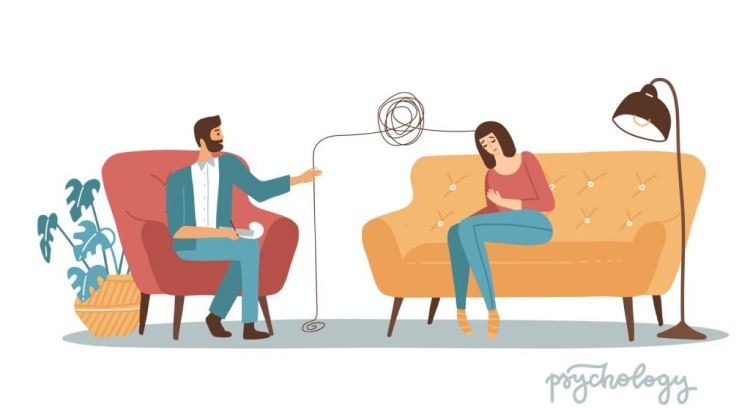
Psychotherapy

Also known as talk therapy, psychotherapy is a form of treatment that involves conversations between a patient and a mental health professional. It aims to help individuals overcome psychological difficulties, manage stress, and improve mental well-being. Examples of psychotherapy include cognitive-behavioural therapy (CBT), psychodynamic therapy, and family therapy

Effectiveness of Psychotherapy:

  • Psychotherapy has proven to be an effective treatment for various mental health conditions.
  • It helps individuals develop coping strategies, improve emotional well-being, and address psychological issues.
  • Research shows positive outcomes in reducing symptoms and improving overall mental health.

Physical Therapy

Physical therapy is a form of healthcare that aims to help people improve their physical function and mobility, reduce pain, and prevent disability through specialized exercises, manual therapy techniques, and other interventions. It is commonly used to treat a wide range of conditions, including musculoskeletal injuries, neurological disorders, post-surgery rehabilitation, and chronic pain, among others.

Effectiveness of Physical Therapy:

  • Physical therapy's effectiveness depends on the individual's condition, the therapist's expertise, and patient commitment.
  • It is highly effective in reducing pain, improving mobility, and enhancing quality of life.
  • Helps regain independence, prevent deterioration, and avoid invasive procedures.
  • Outcomes may vary from person to person.

Occupational Therapy:

Occupational therapy is a healthcare profession that helps individuals of all ages improve their ability to engage in daily activities and occupations. It focuses on enhancing physical, cognitive, and emotional skills to promote independence and overall well-being. Here's a brief overview of occupational therapy effectiveness, cost, and accessibility:

Effectiveness of Occupational Therapy:

  • Occupational therapy is highly effective in addressing a wide range of conditions, including physical disabilities, neurological disorders, developmental delays, and mental health issues.
  • Therapists use personalized treatment plans to help individuals achieve their specific goals and maximize their functional abilities.
  • The effectiveness of occupational therapy often depends on the individual's condition, commitment to therapy, and the expertise of the therapist.
  • It can significantly improve independence, quality of life, and social participation for those with various challenges.

Radiation Therapy

Radiation therapy, also known as radiotherapy, is a common cancer treatment that uses high doses of radiation to target and destroy cancer cells while minimizing damage to nearby healthy tissues. It can be used as a primary treatment or in combination with surgery or chemotherapy. Here's a brief overview of its effectiveness, cost, and accessibility:

Effectiveness of Psychotherapy:

  • Radiation therapy is highly effective in treating many types of cancer, either as a curative or palliative measure.
  • Its success depends on various factors, such as cancer type, stage, location, and the overall health of the patient.
  • For certain cancers, like early-stage localized tumors, radiation therapy can offer a high probability of cure.

Speech Therapy

Speech therapy is a form of intervention that aims to improve communication skills and treat speech and language disorders. It is commonly used to help individuals with speech difficulties, language delays, articulation disorders, stuttering, and other communication challenges.

Effectiveness of Speech therapy

  • The effectiveness of speech therapy can vary depending on the underlying condition, the severity of the disorder, and the individual's age and motivation. In many cases, speech therapy is highly effective, leading to significant improvements in speech clarity, language comprehension, and overall communication abilities. Early intervention is particularly crucial for better outcomes, especially in children with speech and language delays.
  • Telepractice and teletherapy have emerged as a way to enhance accessibility to speech therapy services. Through online platforms like us, individuals in remote or underserved areas can access speech therapy from qualified professionals, reducing the need for travel and increasing flexibility in scheduling.

Electroconvulsive Therapy (ECT)

Electroconvulsive therapy (ECT) is a medical treatment that involves the use of electric currents to induce controlled seizures in the brain. It is primarily used to treat severe psychiatric conditions, particularly major depressive disorder, bipolar disorder, and certain types of schizophrenia, when other treatments have been ineffective or when rapid intervention is needed.

Effectiveness of Electroconvulsive Therapy (ECT):

  • iso be highly effective for certain mental health conditions, especially severe depression, and treatment-resistant cases. Studies have demonstrated significant improvement in mood, reduction of suicidal tendencies, and enhanced overall functioning in many patients who undergo ECT. However, the exact mechanism of how ECT works is not fully understood, and its long-term effects require further research.
  • Overall, while ECT can be a highly effective treatment for severe psychiatric conditions, its accessibility may be hindered by factors such as cost, availability of specialized facilities, social stigma, and ethical considerations. Healthcare systems need to address these challenges to ensure that individuals who could benefit from ECT have access to this potentially life-changing intervention.

Gene Therapy

Gene therapy is a cutting-edge medical approach that aims to treat or prevent diseases by modifying a person's genes. It involves introducing genetic material into a patient's cells to correct or replace faulty genes responsible for causing the condition. Gene therapy holds great promise for treating genetic disorders and certain types of cancers, among other conditions.

Effectiveness of Gene Therapy:

  • Gene therapy aims to treat or cure genetic disorders by introducing or modifying genes.
  • Effectiveness depends on the specific condition and the delivery method.
  • Successful treatments have been seen in some cases, but challenges remain.
  • It holds promise for future medical advancements, but research is ongoing.

Hormone Therapy

Hormone therapy is a medical treatment that involves using hormones or hormone-blocking agents to manage various conditions or imbalances in the body. It is commonly used to treat hormone-related disorders, such as hormone-sensitive cancers (e.g., breast or prostate cancer) or conditions like menopause and hypogonadism.

Effectiveness of Hormone Therapy:

  • Hormone therapy can be highly effective in treating various hormone-related conditions and imbalances.
  • It is commonly used for menopausal symptom relief and managing hormone-sensitive cancers.
  • Hormone therapy helps restore hormonal balance, alleviating symptoms and reducing the risk of certain diseases.

Group Therapy

Group therapy is a form of psychological treatment in which a small group of individuals with similar concerns or issues come together to share experiences, offer support, and work toward personal growth and healing. Here's a brief overview of its effectiveness, cost, and accessibility:

Effectiveness of Group Therapy:

  • Group therapy can be highly effective for a wide range of mental health concerns, including depression, anxiety, substance abuse, and relationship issues.
  • Participants benefit from a sense of belonging, realising they are not alone in their struggles, and gaining insight from others' perspectives.
  • The group dynamic fosters empathy, trust, and social skills, leading to improved self-awareness and coping mechanisms.
  • Research shows that group therapy can be as effective as individual therapy, if not more so, in certain cases.
  • These are just a few examples of the different types of therapy used in medical science in India. The appropriate treatment depends on the specific condition being treated and the individual's needs. With the help of MASCOT REGIMEN one can consult qualified healthcare professionals to determine the most suitable therapy for a particular situation.